Guest Post from Anya Willis with FitKids
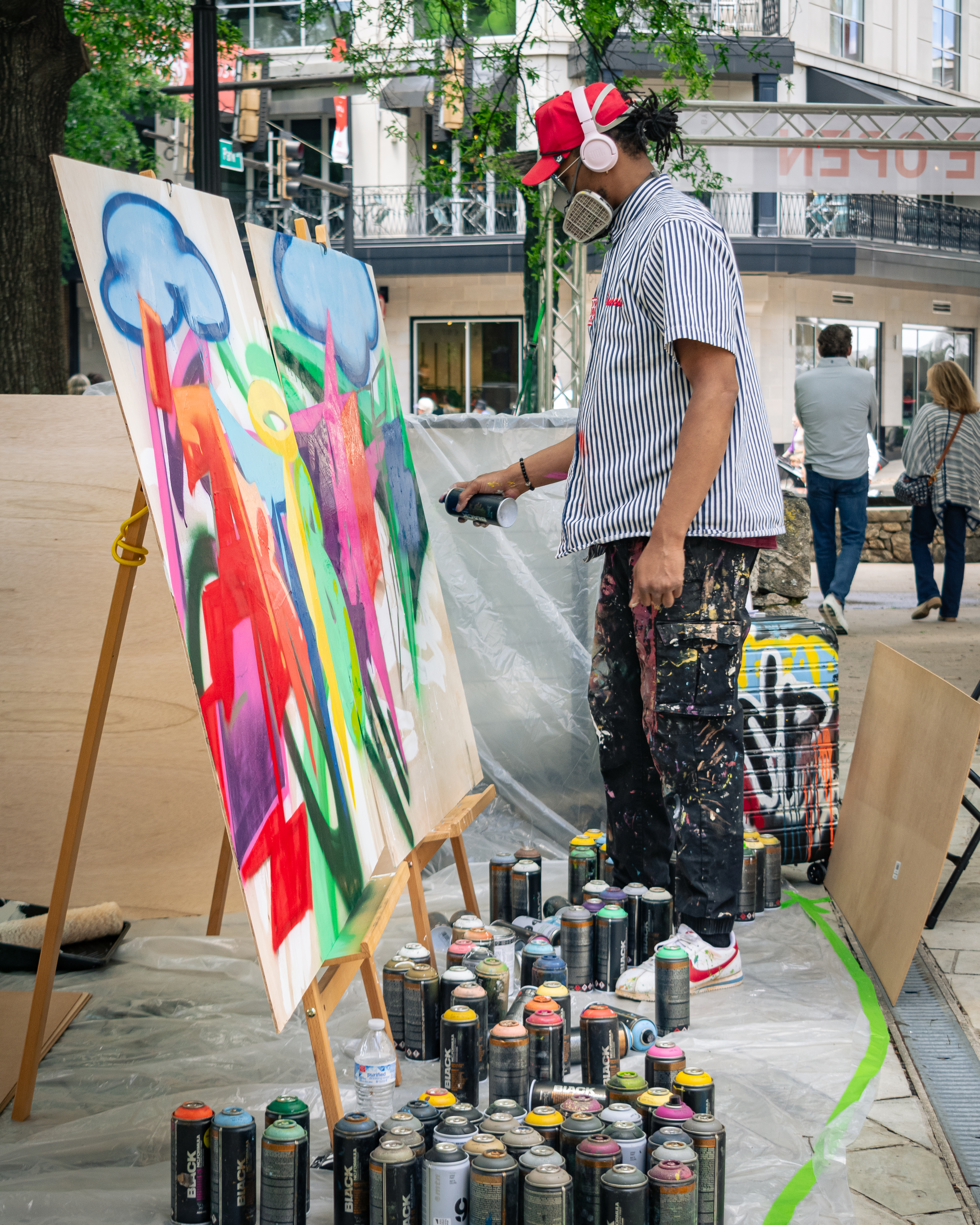
Community leaders shape the physical and social fabric of towns and cities. When communities integrate art into everyday public spaces—sidewalks, transit stops, parks, storefronts, libraries—they make creativity visible, accessible, and participatory rather than confined to galleries or museums.
Art in public space is not decoration. It is the infrastructure for identity, belonging, and shared meaning.
A Quick Orientation for Busy Leaders
Public art increases visibility of local culture and stories.
Interactive and community-led projects build civic pride and cross-group participation.
Small, distributed initiatives (murals, pop-ups, creative crosswalks) often deliver faster and more inclusive results than large flagship projects.
Partnerships—with schools, local artists, neighborhood groups, and small businesses—are essential.
Clear maintenance, funding, and engagement plans determine long-term success.
The Challenge: Creativity Is Often Hidden
In many communities, art is concentrated in formal institutions. Galleries and theaters serve important roles, but they may feel inaccessible due to cost, location, or perceived exclusivity. As a result:
Residents experience art as occasional rather than daily.
Emerging artists struggle to find platforms.
Public spaces lack emotional resonance or local identity.
For community leaders, this creates a missed opportunity. Streets, plazas, and civic buildings can become canvases for shared expression.
Everyday Spaces as Creative Platforms
Murals That Tell Local Stories
Murals are among the most visible and democratic forms of public art. They can:
Reflect neighborhood history or cultural heritage.
Celebrate local heroes, industries, or natural features.
Transform underutilized walls into landmarks.
When residents are involved in theme selection or painting days, murals become collective achievements rather than top-down installations.
Pop-Up Exhibits in Unexpected Places
Temporary art installations in parks, empty storefronts, or transit hubs introduce surprise and novelty. Pop-ups are especially effective because they:
Lower the barrier to experimentation.
Allow artists to test new concepts.
Create recurring reasons for residents to revisit public spaces.
A rotating exhibit schedule can keep public areas dynamic year-round.
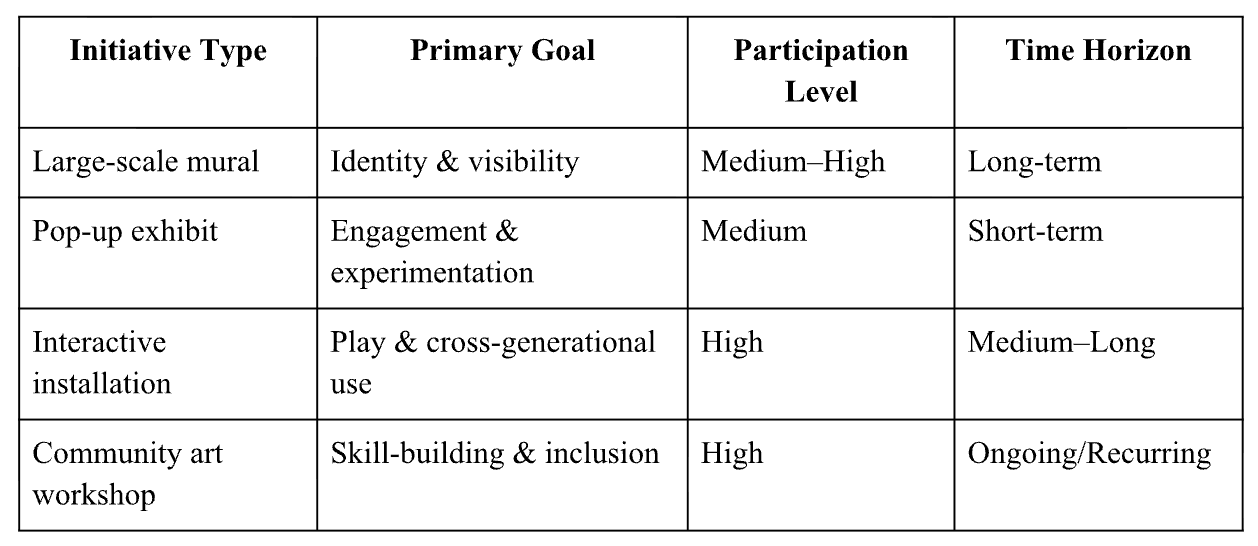
This kind of planning ensures that art investments align with broader civic priorities such as economic development, youth engagement, or neighborhood revitalization.
A Practical Checklist for Launching a Public Art Initiative
1. Clarify the purpose. Is the goal beautification, healing, tourism, youth engagement, or economic activation?
2. Engage stakeholders early. Include residents, artists, local businesses, and schools in design conversations.
3. Select accessible locations. Prioritize high-foot-traffic areas or underused spaces that would benefit from activation.
4. Define maintenance responsibility. Determine who will maintain, repair, or refresh the installation.
5. Plan for participation. Incorporate workshops, voting processes, or collaborative creation days.
6. Measure impact. Track attendance, foot traffic changes, surveys, or qualitative feedback.
Structured planning increases the likelihood that art becomes embedded in daily life rather than a one-time event.
Strengthening Identity Through Community-Led Projects
Community-led art initiatives—such as collaborative mosaics, neighborhood sculpture gardens, or youth-designed crosswalks—foster ownership. When residents contribute ideas, labor, or materials, they are more likely to:
Respect and protect the artwork.
Advocate for future creative projects.
See themselves reflected in the civic landscape.
Interactive installations amplify this effect. Sound-based sculptures, chalk walls, or digital storytelling kiosks invite people to participate, not just observe.
When Residents Support Art from Home
Community creativity does not stop at public property lines. Individuals and families often contribute to local art ecosystems by donating materials, hosting small workshops, or adapting parts of their homes for collaborative projects. A garage can become a printmaking space; a backyard can host poetry readings or youth art days. In some cases, residents look at renovation or financing options to make these contributions possible. For example, understanding the cost of home equity line of credit may be part of how homeowners evaluate whether to upgrade a space for workshops or invest in shared creative resources. While financing is only one pathway, these kinds of investments can expand the network of informal creative venues that strengthen a community’s cultural life.
Frequently Asked Questions
How do we fund public art projects without overburdening the budget?
Communities often combine small municipal allocations with grants, sponsorships from local businesses, crowdfunding, and in-kind donations. Phased projects can spread costs over time.
How do we ensure art reflects diverse voices?
Create open calls for artists, establish community advisory panels, and hold listening sessions before finalizing themes. Transparency in selection criteria builds trust.
What if there is disagreement about artistic style or message?
Set clear guidelines upfront about values, themes, and community standards. Facilitate dialogue rather than defaulting to cancellation. Disagreement can be productive when managed respectfully.
A Resource Worth Exploring
For leaders looking to understand national trends and best practices in public art, the Americans for the Arts Public Art Network provides toolkits, research, and case studies. Their materials can help communities design equitable artist selection processes, draft policies, and measure impact.
The Result: Art as Daily Experience
When art becomes visible in crosswalks, building facades, bus shelters, and parks, it shifts from a special event to a daily encounter. Residents begin to see creativity as part of their routine environment.